Aquatic Animal Health
Mission and Overview
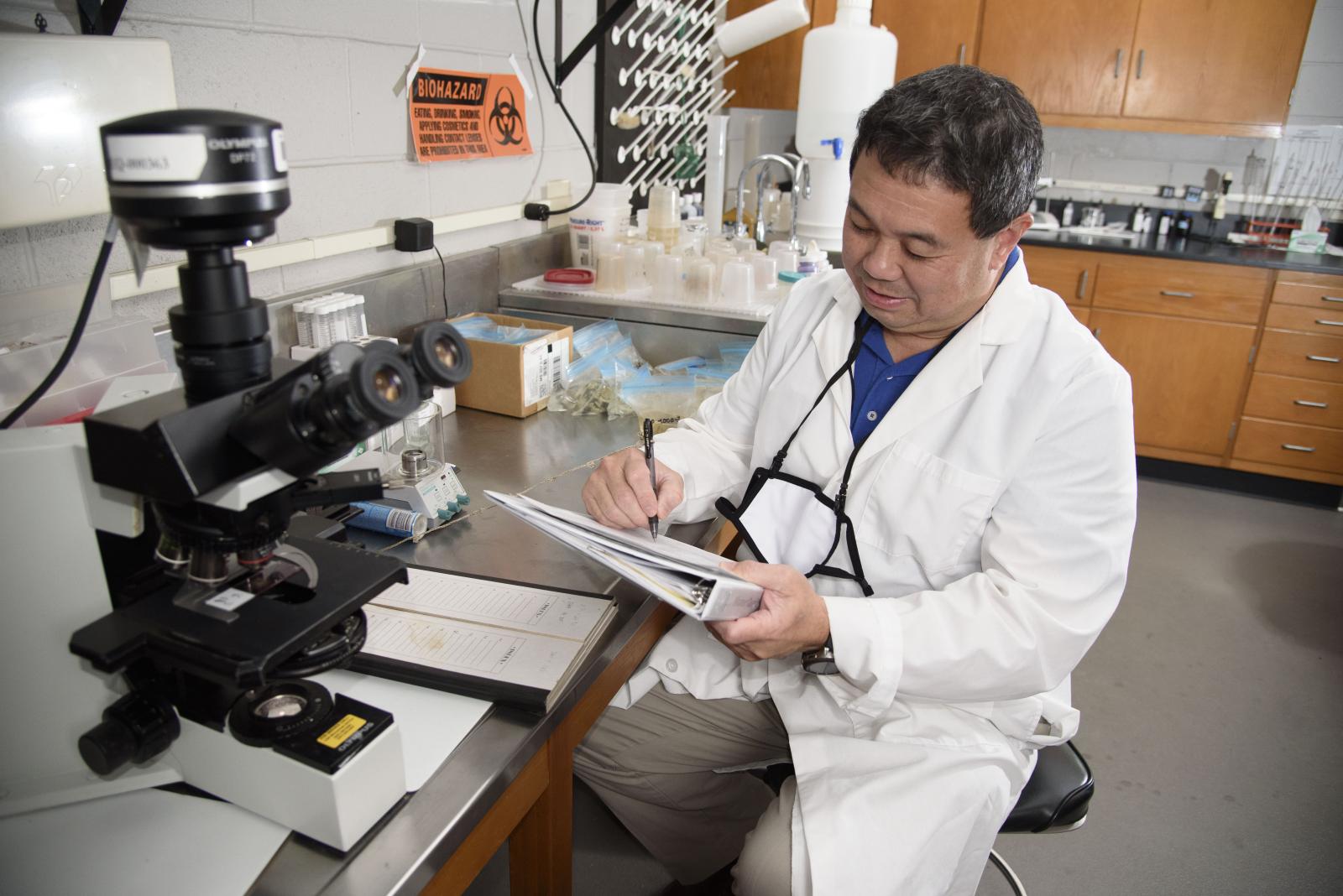
Aquatic Animal Health at Mississippi State University’s College of Veterinary Medicine advances the health and welfare of aquatic animals through education, research, and service. Our faculty and staff bring together expertise across college departments and locations to address the needs of aquaculture, ornamental fish, and marine wildlife. By connecting laboratory discoveries with veterinary care and practical disease management, we support sustainable aquatic food production, conserve aquatic species, and prepare the next generation of aquatic animal health professionals. Our work is strengthened by partnerships within and beyond the university.
A Commitment to Teaching
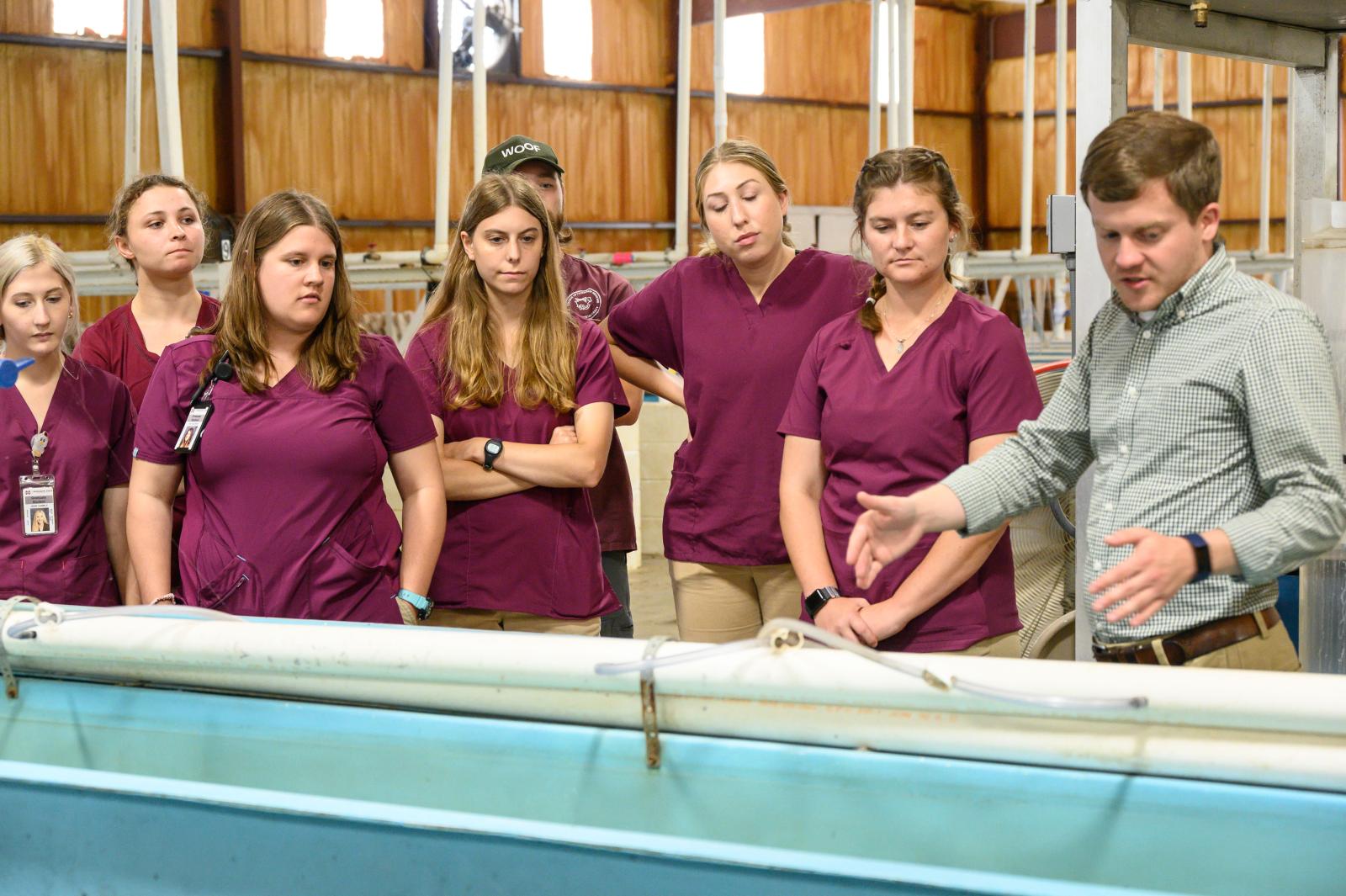
We provide classroom, laboratory, clinical, and field-based learning opportunities that prepare students for careers in aquatic veterinary medicine and research. Our Aquatic Animal Health Certificate, specialized courses in fish and marine animal medicine, and externship experiences provide veterinary students with exposure to diverse aquatic species and opportunities to learn from aquatic animal health professionals in classroom, laboratory, clinical, and field settings. Faculty also mentor undergraduate and graduate students through research in aquatic animal diseases, diagnostics, and conservation. These experiences build knowledge and practical skills in disease prevention, clinical management, biosecurity, and the relationship between animal health and the environment.
A Commitment to Research
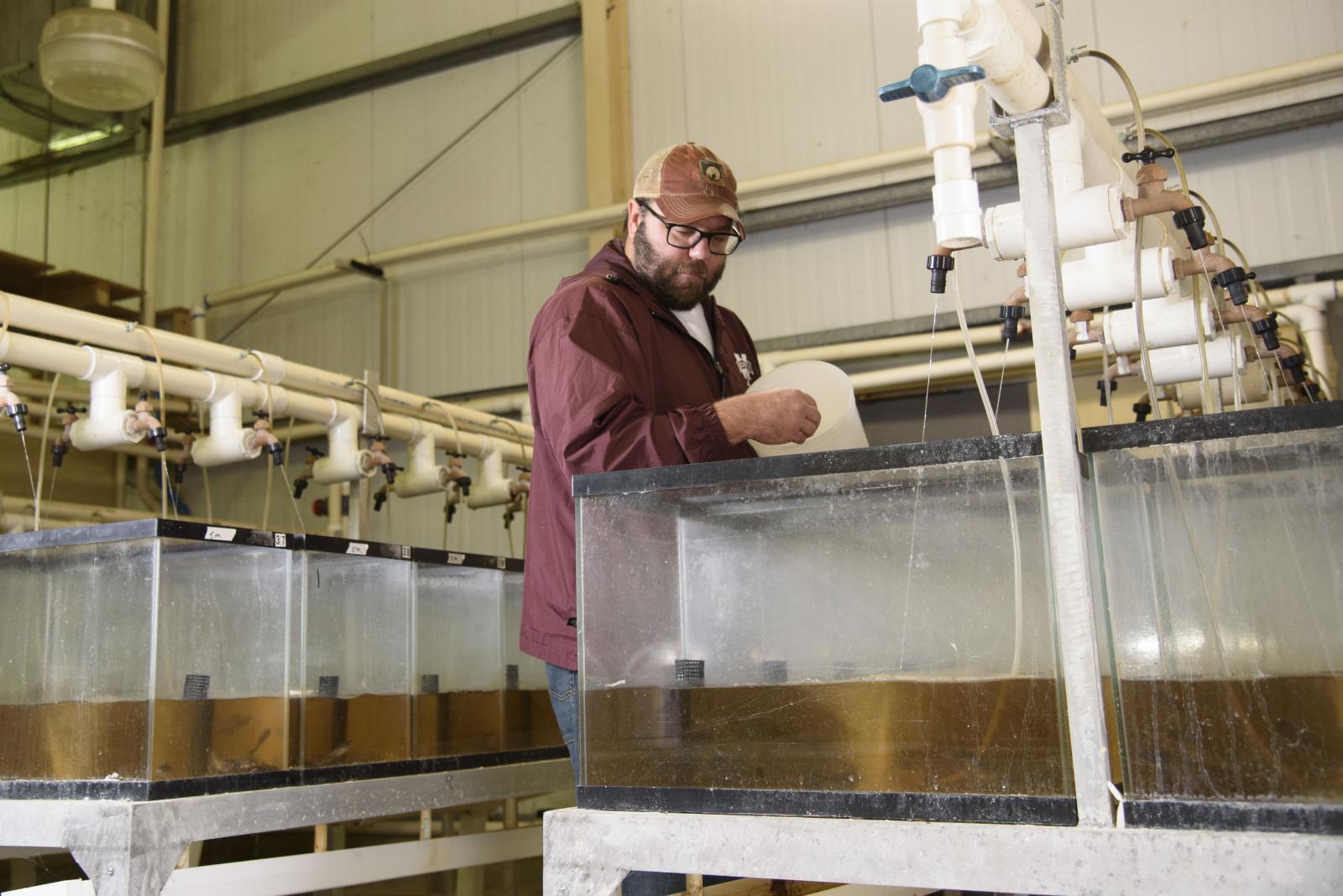
Our research integrates basic and applied science to understand aquatic animal diseases and develop effective approaches to prevention, diagnosis, and control. Areas of emphasis include bacterial, viral, and parasitic diseases; host–pathogen interactions and immunity; vaccine development; molecular diagnostics; antimicrobial resistance; and environmental influences on animal health. Clinical investigations and diagnostic surveillance connect our research directly with emerging aquatic animal health challenges and the needs of aquaculture producers. Studies of fish, marine mammals, and sea turtles advance understanding of aquatic animal health and inform strategies for sustainable aquaculture and wildlife conservation.
A Commitment to Service
We serve producers, veterinarians, animal care organizations, and public agencies through diagnostic testing, consultation, outreach, and professional training. The college’s diagnostic laboratories in Starkville and Stoneville support aquatic animal disease investigations, disease surveillance, and health management. College faculty and staff also contribute expertise to collaborative marine animal health assessments, cause-of-death investigations, and conservation activities along the Mississippi Gulf Coast. Partnerships with universities, government agencies, and industry organizations strengthen our contributions to disease prevention, antimicrobial stewardship, aquaculture biosecurity, and aquatic animal health locally and internationally.